

LILACS – Latin American and Caribbean Health Sciences Literature – completes 40 years of operation. Coordinated regionally by BIREME/PAHO/WHO with a cooperative network of more than 900 institutions in 30 countries that continuously select, index, and update the database, it is recognized for its importance, scope, and support for the visibility of scientific output in health published in Latin American and Caribbean (LAC) countries. Since its creation, LILACS has played an essential role in democratizing access to scientific and technical information and knowledge in health, with its network capable of keeping LILACS current, necessary, and relevant.
With over one million records, including articles, theses, books, reports, and proceedings, LILACS makes 70% of its content available in open access, with direct links to the full text. The collection covers 35 countries and six languages, predominantly Spanish, Portuguese, English, and French.
Its development was made possible by LILACS Methodology, a set of criteria, flows, description and indexing rules (using the controlled vocabulary DeCS), and tools that ensure information management and quality and the creation and management of bibliographic databases. Among these are FI-Admin, for information source administration; BIREME Accounts, for access management; and the scientific journal evaluation platform, which ensures curation, data standardization, database updating, and data reuse.
This infrastructure has enabled the creation of hundreds of databases with global, regional, national, and institutional coverage: AIM; BIGG; PIE; BRISA; BDENF; MOSAICO; MEDCARIB; BINACIS; ColecionaSUS; MINSAPERU; and SES-SP, among others.
LILACS is part of the Global Index Medicus (GIM), of the World Health Organization (WHO) and is essential for systematic reviews contextualized to the regional reality, in addition to complementing MEDLINE/PubMed, for the visibility of publications that are generally left out of international databases.
In 2024, as a strategy to give more visibility and prominence to the region’s scientific and technical output in the Virtual Health Library (VHL), the LILACS Plus collection was launched, which includes all the content of the LILACS database and Latin American and Caribbean output registered in MEDLINE, BDENF, BIGG and other databases that are part of the VHL Regional Portal collection. The collection already brings together more than 2.8 million documents from 140 countries, with more than 50% in open access, expanding the visibility of Latin American science on the global stage.
Recognition activities
The recognition activities began on October 30, the date of LILACS’ 40th anniversary, during the webinar “LILACS 40 Years: Science with Identity and Innovation”, which was attended by more than 100 participants from the VHL and LILACS collaboration networks. During the webinar, the commemorative seal for the date was launched, the 40th anniversary logo, and the beta version of the new LILACS Portal, which marks a new stage in the platform’s modernization.
The opening featured a presentation by the director of BIREME/PAHO/WHO, João Paulo Souza, who emphasized the role of LILACS in consolidating regional inf ormation sovereignty and highlighted the platform update as a step forward in strengthening cooperative networks and innovating health information management.
The program also included a presentation of the LILACS Plus collection by Verônica Abdala, BIREME’s Information Products and Services (IPS) manager, highlighting the advances promoted by the new collection in the visibility of regional scientific output. Next, Sueli Mitiko Yano Suga, FIR/PSI Supervisor, presented the LILACS Panorama, including the characterization of the profile of indexed journals and a demonstration of database growth indicators, in addition to highlighting the Network’s participation and the impact of the ecosystem over four decades of cooperative operation.
On November 3, prior to the ABEC Meeting 2025, which took place from November 4 to 7 at Universidade Federal da Paraíba (UFPB) in João Pessoa,  a special session was held entitled “LILACS, 40 years of commitment by BIREME/PAHO/WHO to the democratization of health science in Brazil.” On that occasion, the presenters revisited the trajectory of LILACS, highlighting its importance and impact on the dissemination of Health Science in the Region. Sueli Suga, FIR/PSI supervisor, led the activity, which was attended by more than 30 people.
Also in November, LILACS was featured in the opening ceremony and scientific program of the XXIII National Seminar on University Libraries (SNBU 2025),  held in São Paulo from November 17 to 20. On the first day of the event, a ceremony paid tribute to BIREME and LILACS, with the presentation of a commemorative plaque and a speech of recognition by the Brazilian Federation of Associations of Librarians, Information Scientists, and Institutions (FEBAB).
Other outreach activities for engagement were also conducted during SNBU 2025, with emphasis on the following oral communications that are published and available in the proceedings of the meeting:
- LILACS Plus: strategy to strengthen the visibility of scientific output in health in Latin America and the Caribbean(in Portuguese)
- Indicators for managing bibliographic databases and cooperation networks: the case of LILACS (in Portuguese)
LILACS is a collective asset of Health Science, strengthening regional research, contributing to the formulation of public policies, and supporting professionals, students, and managers in making evidence-based decisions. For 40 years, it has been a benchmark for the future of health information management in the region.
The DeCS team at BIREME has published a detailed text alluding to the date in Portuguese, Spanish, and English: LILACS 40 years
Invitation
We invite LILACS collaborators, editors, and users to share their testimonials and experiences, highlighting how LILACS has contributed to strengthening access to and dissemination of scientific knowledge in their contexts of activity:
Portuguese: https://bit.ly/LILACS40anos-depoimento
Spanish: https://bit.ly/LILACS40anos-testimonio
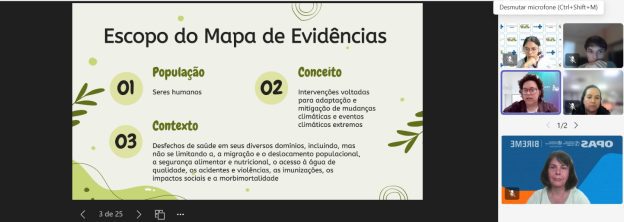
 at a global cost of more than $2 billion annually. In addition, one in 12 hospitals is at risk of shutdown due to climate-related causes, according to the COP30 Special Report “
 a documentalist at the Library of the Institute of Nutrition of Central America and Panama (INCAP). The event also featured a presentation of the Primary Health Care (PHC) and Nutrition Project Window of Knowledge, part of the “K’at: Living Memory Network” initiative, developed under the coordination of Alexandre Florencio, advisor on Health Systems and Services, and presented by Karen Cardona, consultant on Communication, Visibility, and Knowledge Management at PAHO/WHO Guatemala.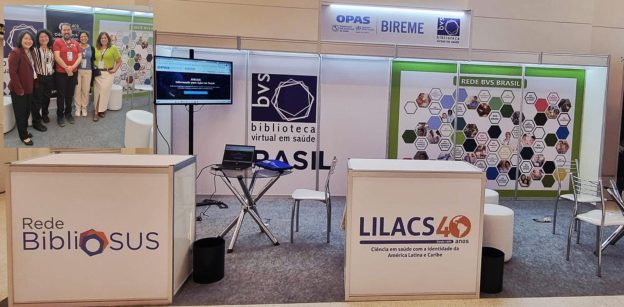
 The study “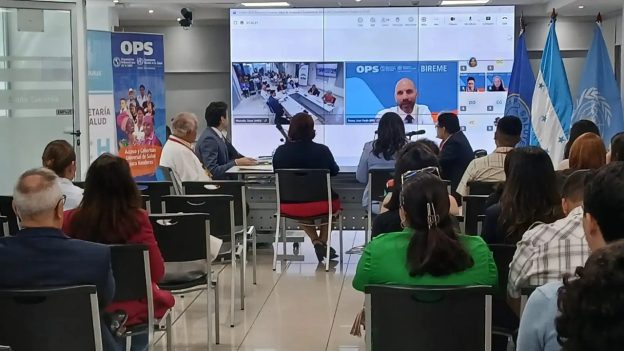
 José Ángel Vásquez, Director of the Planning and Management Evaluation Unit of the Honduran Ministry of Health, highlighted the strategic role of the VHL over the past two and a half decades, stating that “the Honduras VHL has been key in ensuring access to reliable scientific information, supporting evidence-based public policies, and promoting health research. It is our commitment to further strengthen its strategic use.”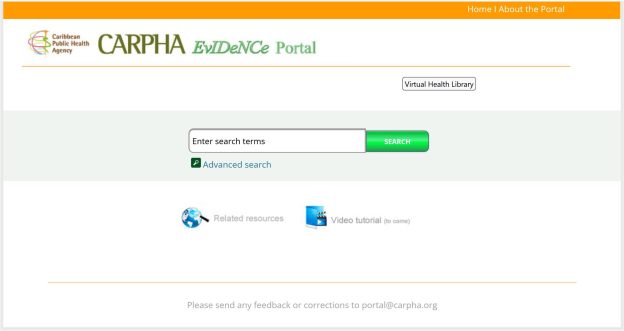
 documents, and technical papers from CARPHA and Member States, on country-specific information on Zika and other mosquito-borne diseases, have been indexed and made available via the CARPHA Evidence Portal. This growing repository supports evidence-informed decision-making helping health professionals, policymakers, and researchers across the Caribbean to access reliable, regionally relevant information.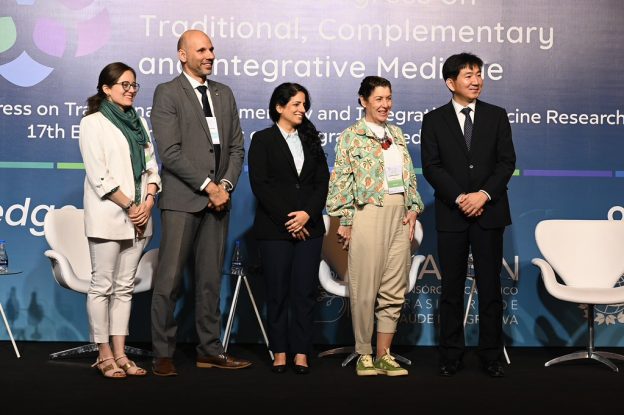
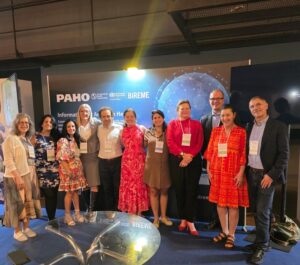
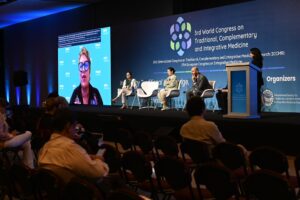
 highlighting the MTCI importance in the Americas Region and the pre-launch of the Global Library of Traditional Medicine (
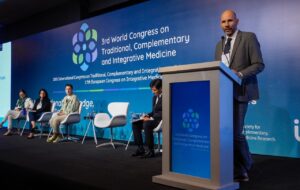 could also indicate suggestions and propose technical and strategic alliances for its strengthening.
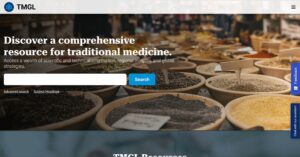 consultant for the project and Manager of the Technical Unit for the Management of the National Policy on Integrative and Complementary Practices (PNPIC – Portuguese acronym) of the Department of Prevention and Health Promotion of the Secretariat of Primary Health Care of the Ministry of Health of Brazil. During the session, the multi-epistemic approach reflected in the page’s new information architecture was highlighted, serving as a model for other countries to represent the integration of Traditional, Complementary, and Integrative Medicine (TCIM) in their national health systems.
 The Virtual Health Library of Traditional Complementary and Integrative Medicines (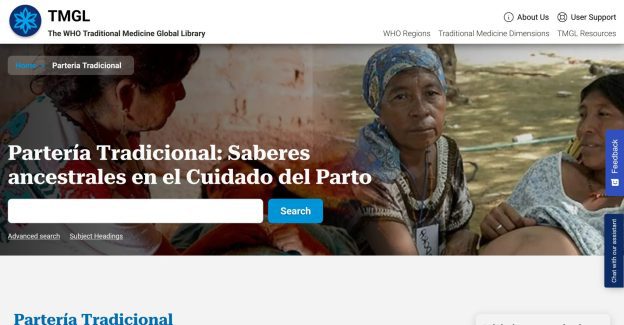
 “Traditional birth attendant represents one of the oldest and most profound expressions of human knowledge. It is a practice that has accompanied women, families, and communities through the most important moments in life: birth, the care of life, and the continuity of existence. Through this new section in the Global Library, PAHO seeks to recognize, make visible, and preserve the ancestral knowledge of traditional birth attendants that, generation after generation, has contributed to maternal, newborn, and community health worldwide,” explained Gerry Eijkemans, Director of DHE.
 d communities can strengthen the visibility of traditional practices, promote intercultural dialogue, and serve as a replicable model for future WHO TMGL thematic pages.
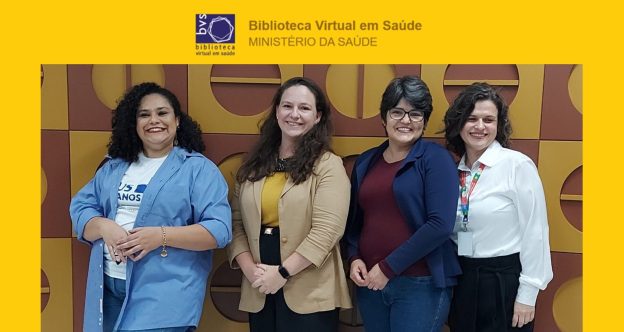
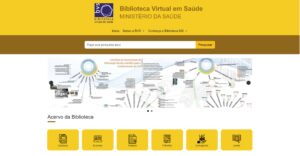 Librarian Iramaia Alves presented the main new features of the portal’s new version, in the context of the celebrations for the 72nd anniversary of the Ministry of Health Library. She also highlighted the significant growth in the number of users and visits between 2019 and 2024, and emphasized the most accessed sources of information, such as Health Tips, recognized for its use of accessible language, emerging topics, and reliable sources, which expand the reach of the MS VHL to the public.
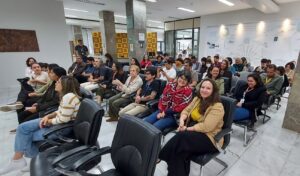 the Ministry of Health for the democratization of access to scientific information and the continuous improvement of the VHL Network platforms in Brazil and other countries in the Latin American and Caribbean Region.