Author Archives: andreasilva

, , ,

Costa Rica VHL: open access and information management

The Costa Rican Social Security Fund (CCSS for its acronym in Spanish) and the Center for Strategic Development and Information on Health and Social Security (CENDEISSS for its acronym in Spanish) officially launched the new platform of the Costa Rica Virtual Health Library (VHL), in an online event with the participation of national and international authorities, the PAHO/WHO representative in the country, the director of BIREME, and their teams.

The event featured opening remarks by Dr. Sandra Rodríguez Ocampo, representing Dr. Juan Carlos Esquivel Sánchez, director of CENDEISSS, who highlighted that this launch marks “a strategic milestone for Costa Rican health” by consolidating a national strategy aimed at strengthening knowledge governance and ensuring equitable access to reliable and up-to-date scientific information.

The PAHO/WHO representative in Costa Rica, Dr. Alfonso Tenorio Neco, congratulated the country for “decades of sustained work in favor of access to scientific evidence” and urged it to publicize this achievement as an example for other countries in the region.

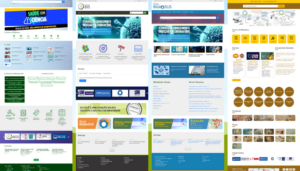
The Costa Rica VHL is part of the regional model promoted by BIREME/PAHO/WHO, reaffirming the country’s commitment to technical cooperation, system interoperability, and the visibility of national scientific production. The new portal brings together more than 8,000 bibliographic records, 14 national scientific journals, and multiple institutional sources, including the CCSS, the Ministry of Health, the Institute on Alcoholism and Drug Dependence (IAFA for its acronym in Spanish), universities, and health institutions.

During his speech, Dr. João Paulo de Souza, director of BIREME, recalled that Costa Rica has been a pioneer in the VHL model since the “San José Declaration” in 1998, and highlighted that this relaunch “represents a firm step toward open science and equitable access to knowledge.”

BIREME’s Information Products and Services Manager, Verónica Abdala, highlighted the importance of the collaborative work that made the platform’s renewal possible: “The VHL is not built by a single institution, but as a living network that is constantly renewing itself,” highlighting the national coordination by Magali Morales Ramírez and her team at CENDEISSS, as well as BIREME’s participation.

In her presentation, Magalli Morales Ramírez, head of the Information Area at CENDEISSS, gave a detailed demonstration of the new BVS Costa Rica portal, highlighting its main technological innovations and functionalities. These include the integration of multiple national sources, such as the CCSS repository, journals indexed in LILACS and SciELO, and content produced by universities and health institutions. Magalli emphasized that the platform’s central objective is to “democratize knowledge, reduce gaps, and strengthen evidence-based decisions,” consolidating a national health information ecosystem.

The new Costa Rica VHL incorporates innovative tools, expands search possibilities, and promotes the integration of national and international databases. With this relaunch, Costa Rica reaffirms its commitment to health equity, open science, and regional cooperation, consolidating its position as a benchmark in health knowledge management in the Americas.

Costa Rica VHL – https://costarica.bvsalud.org/

Source: https://boletin.bireme.org/en/2025/10/29/costa-rica-vhl-open-access-and-information-management/

, ,

Summaries by AI to improve bibliographic descriptions

The integration of Artificial Intelligence (AI) into BIREME/PAHO/WHO products and services is a strategic step toward making health information management and dissemination more agile and efficient. With the use of AI techniques, it is possible to optimize the automatic indexing process, improve information retrieval in BIREME search interfaces, perform data analysis for decision-making, among other benefits.

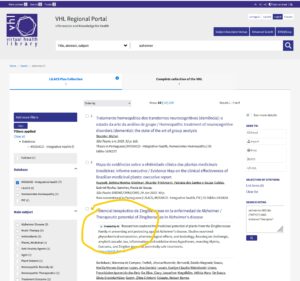
In the area of Digital Frontiers, BIREME has already developed sustainable initiatives that use AI tools to improve information management and dissemination processes. Among these initiatives, we highlight Super Summaries, which synthesizes the content of scientific article abstracts, and DeCS Finder AI, which assists in the bibliographic indexing process using the controlled vocabulary DeCS/MeSH. In addition, a fully automatic indexing process is under development, something unique in the Region. This new product, Summaries by IA, aims to generate abstracts from the full text to improve bibliographic description. A highlight of this new product is the direct benefit to the quality of automatic indexing and the entire bibliographic description chain.

The description of a document needs to be as complete as possible, as the quality of indexing and the accuracy of information retrieval depend on it. In organization and cataloging processes, especially in digital environments, every detail makes a difference: from the title to the metadata that describes the content, context, and purpose of the document. A detailed description allows users to find what they are looking for more easily and ensures the integrity and accessibility of the information sources.

For indexing using a thesaurus, the more relevant information included, the better the result. In addition to basic metadata, it is essential that the document has a complete summary or abstract, capable of providing more data for the indexing process, understanding of the document described, and its contextualization. This wealth of information contributes to a more accurate search and a more faithful synthesis of the content. For this reason, BIREME, in the context of Digital Frontiers and development with AI tools, has initiated a project aimed at the automatic generation of abstracts from the full text, in three languages.

However, there are several challenges to be faced in this initiative, especially with regard to the treatment of full texts. One of the most critical points is the conversion of documents from PDF format to text, an essential step in making the content readable and processable by Artificial Intelligence systems. This transformation is necessary for algorithms to properly identify, understand, and summarize the information in the document. Overcoming this technical challenge is essential to ensure the quality of the summaries generated and, consequently, to improve the entire process of automated indexing and bibliographic description.

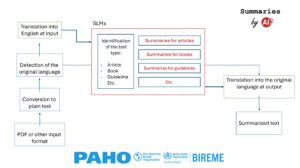
Figure 1. Summaries generation flow from the full text

Figure 1 shows the abstract generation flow by AI, starting with the conversion of PDF documents to plain text, followed by the detection of its original language and, if necessary, translation into English. This initial translation process into English is necessary because the models are optimized for this language. Next, a specialized language model identifies the type of text (article, book, guideline etc.), and from there it is directed to the specialized (fine-tuned) model for each type of text. Finally, the summarized text is translated back into the original language, resulting in a standardized, multilingual final abstract adapted to the type of document.

The incorporation of AI into BIREME’s processes represents an important milestone in the modernization of health information management. The use of technologies such as automatic summary generation, assisted indexing, and multilingual translation significantly increase the efficiency, accuracy, and reach of informational content. Despite technical challenges, these initiatives show consistent progress toward the continuous improvement of the quality of products and services developed by BIREME. These actions reinforce the Center’s commitment to using technological innovation to strengthen access, organization, and dissemination of health information and scientific knowledge throughout the Region.

Source: https://boletin.bireme.org/en/2025/10/29/summaries-by-ia-for-improved-bibliographic-descriptions/

, ,

Information management for priority policies in Brazil and the Region

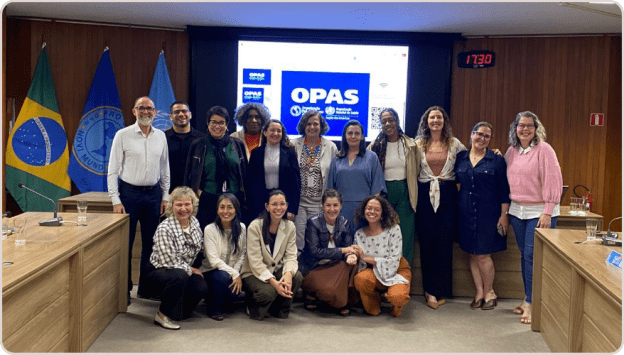
With the aim of maintaining and strengthening the institutional relations of BIREME/PAHO/WHO with Federal Government agencies in the field of scientific and technical information on health, Director João Paulo Souza recently held exchanges, in particular with national counterparts from the Ministry of Health, one of the main institutional supporters of BIREME as PAHO/WHO Specialized Center in Brazil for the Region of Latin America and the Caribbean.

Advancing the procedures for agreements and projects in the final stages of formalization and exploring strategic opportunities for the sustained development of information products and services were also in focus, considering strategic Terms of Cooperation both for the institutional strengthening of BIREME and to meet health information priorities in Brazil.

The Executive Secretary of the Ministry of Health, Adriano Massuda, visited BIREME/PAHO/WHO in São Paulo on September 20. In a dialogue with Director João Paulo and the leadership team, they discussed the current priorities of the Brazil’s Unified Health System (SUS) and possible synergies with the information products and services developed by BIREME, with regional coverage, and opportunities for technical cooperation for digital transformation, telehealth, evidence maps, indicator observatories, and health information networks.

The potential for collaboration with BIREME in initiatives such as the Virtual Health Library (VHL) and in supporting the preservation and continuity of strategic digital content, including experiences accumulated during the pandemic, were recognized by the Executive Secretary. The Director of BIREME highlighted the VHL’s size and impact: “The VHL brings together about 9 million records and reaches more than 50 million annual visits, consolidating itself as one of the main instruments for the dissemination of scientific information on health in the Region.”

On this occasion, João Paulo Souza also reinforced the regional and global components of BIREME’s work: “BIREME’s technical cooperation currently reaches more than 30 countries, with common methodologies for Virtual Libraries, Windows of Knowledge, and evidence maps, which allow for the comparison of health policies and experiences between countries.”

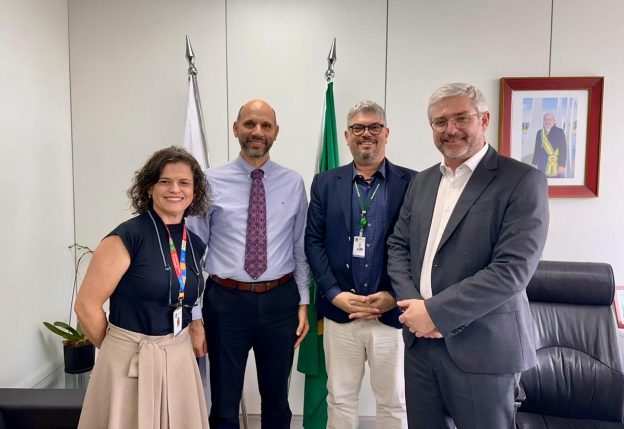
Coming soon, on October 10, the launch of the new Virtual Health Library portal of the Ministry of Health is scheduled, developed by BIREME/PAHO/WHO with the General Coordination of Documentation and Information (CGDI)/ Undersecretariat for Administrative Affairs/Executive Secretariat of the Ministry of Health (CGDI/SAA/SE/MS) in the context of the commemorative activities for the 25th anniversary of the CGDI and the 35th anniversary of SUS. The virtualization of the Ministry of Health tunnel exhibitions will be an initiative to be planned and developed with the support of BIREME for the Ministry, with institutional agreements currently underway. In addition, new and innovative projects were discussed on September 17 in Brasilia with João Paulo, Director of BIREME, Adriano Massuda, Executive Secretary, Sinval Alan Silva, SAA Undersecretary, and Eva Patrícia Lopes, CGDI Coordinator of the Ministry of Health.

Also in Brasilia, on September 16, at the Secretariat of Information and Digital Health (SEIDIGI), which supports a specific cooperation agreement with PAHO/WHO in which BIREME cooperates, João Paulo met with Ana Estela Haddad, Secretary of SEIDIGI, who considered the ongoing developments of the information products “New Second Formative Opinion (SOF)”, “Decision Aids”, and “SUS Digital Platform” to be positive. Institutional strengthening and product scalability were also topics on the agenda.

At the Secretariat for Continuing Education, Youth and Adult Literacy, Diversity, and Inclusion of the Ministry of Education (Secadi/ME), with Secretary Zara Figueiredo, the Director of BIREME discussed the possibility of integrating traditional knowledge and developing new digital information platforms, including as an intersectoral action between health and education. The meeting was held in Brasilia on September 15.

The national counterparts agree that BIREME’s information products and services are strategic resources to support the formulation of public policies, increase efficiency in the implementation of priority actions, and make technical cooperation between the Ministry of Health, PAHO, and BIREME even more effective and strategic in strengthening SUS and access to health information in the Region.

Source: https://boletin.bireme.org/en/2025/09/30/information-management-for-priority-policies-in-brazil-and-the-region/

, , , , ,

Access to information on non-communicable diseases

The urgent need to address the interplay between infectious diseases and non-communicable diseases (NCDs), which together pose the greatest public health challenges in the Americas, was highlighted by  Dr. Jarbas Barbosa, Pan American Health Organization (PAHO) Director, at an event held on the sidelines of the 80th United Nations General Assembly in 22nd of September 2025: At UNGA 80 event, PAHO Director highlights critical link between infectious diseases and NCDs.

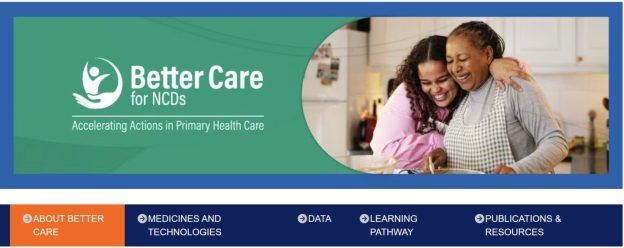
On September 3, 2025, PAHO launched the certifiable course Better Care for Chronic Noncommunicable Diseases (NCDs), available on the Virtual Campus for Public Health (VCPH/PAHO) as part of the Initiative for Better Care for NCDs a key milestone in a country’s health system response to the Sustainable Development Agenda, with the aim of leaving no one behind.

The series consists of five free, certified webinars that address key topics such as the use of evidence-based tools for NCD care, the impact of social determinants, health promotion with a focus on equity, and the treatment of specific risk factors such as physical inactivity, poor diet, and smoking.

Coordinated by the Department of Evidence and Intelligence for Health Action, the opening webinar was moderated by Jonás Gonseth-García, senior advisor to the Better Care for NCDs Initiative, and featured opening remarks by Anselm Hennis, director of PAHO’s Department of Noncommunicable Diseases. Next, Ludovic Reveiz, head of the Science and Knowledge for Impact Unit (EIH/PAHO), presented resources and tools for evidence-informed better care for NCDs.

The session also featured an exchange of practical experiences, such as the HEARTS Initiative in the Americas with Andrés Rosende, international consultant at PAHO, and contributions from country representatives, such as Matías Villatoro from El Salvador and Xintia Ayala from Paraguay.

In his presentation, Ludovic Reveiz highlighted the role of tools and services developed in partnership with BIREME—such as BIGG-REC- PAHO/WHO GRADE Recommendations, the e-BlueInfo application, and Evid@Easy—in supporting evidence-informed health decisions and strengthening the regional response to NCDs.

According to Reveiz, “PAHO and BIREME resources strengthen evidence-based decisions and expand the regional response to NCDs. They are strategic tools for managers, health professionals, and communities that promote health for all. The technical cooperation of PAHO’s Department of Evidence and Intelligence, BIREME, and regional networks adds value by contextualizing global recommendations to local realities and expanding access to quality scientific information”.

BIGG REC, e-BlueInfo, Evid@Easy and Window of Knowledge

BIGG-REC is a PAHO/WHO GRADE recommendations portal for SDG-3, available in the Virtual Health Library (VHL). It brings together more than 4,000 clinical, public health, and policy recommendations issued by WHO and PAHO guidelines that follow the GRADE methodological approach.

The platform allows professionals and managers to find relevant guidance for their questions through advanced search functions, filters, and organization according to the PICO structure (population, interventions, comparators, and outcomes). It also allows users to explore recommendations based on the Sustainable Development Goals, in particular SDG-3 “Good Health and Well-Being”.

Its main purpose is to support contextualized decisions at the local, national, and regional levels, facilitating the adaptation of recommendations to the realities of health systems. Developed in collaboration with the Epistemonikos Foundation, BIGG-REC receives continuous updates and contributions from guideline developers and users, ensuring its ongoing relevance and expansion.

e-BlueInfo is a free application developed by BIREME in cooperation with the Ministries of Health and teaching and research institutions in countries of the Region, with support from PAHO/WHO Representative Offices. Currently available for Brazil, Colombia, El Salvador, Guatemala, Honduras, Paraguay, and Peru, it brings together locally produced information, as well as regional content from the Organization.

The app provides guides, manuals, clinical protocols, and other essential references for healthcare services, all approved by each country’s Ministry of Health. It includes features that allow users to search for scientific evidence in the VHL using descriptors from the DeCS thesaurus and the International Classification of Diseases (ICD) created by the WHO.

Users can also store favorite documents, access consultation histories, and explore similar content available in the VHL. With these tools, e-BlueInfo seeks to further strengthen digital health literacy, expanding access to quality resources for professionals and policy makers and supporting the use of information for health action.

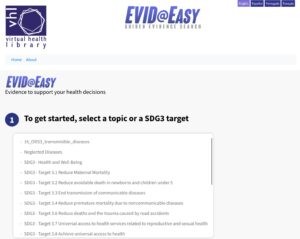
The BIREME ecosystem also includes Evid@Easy, a guided evidence search tool. Its purpose is to facilitate access to qualified scientific information through predefined thematic trails based on structured search strategies.

It is currently organized around SDG-3, containing a specific trail in “Target 3.4: Reduce premature deaths from NCDs.” When selecting this trail, the user is directed to VHL results, which include systematic reviews, clinical guidelines, and other documents relevant to health practice.

Unlike traditional search engines, Evid@Easy delivers validated information retrieval strategies, saving users time and ensuring greater accuracy in their searches. In this way, the tool supports professionals, managers, and public policy makers in accessing the best available evidence in a quick and contextualized manner.

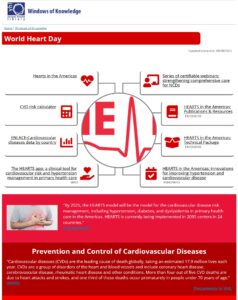
The Window of Knowledge World Heart Day brings together strategic content for the prevention and control of cardiovascular diseases, including data from the HEARTS initiative in the Americas, country indicators, technical publications, risk calculators, and support materials for both health professionals and users of health systems and services.

The initiative also connects users to various resources made available by PAHO on the topic, including good practice guides that reinforce the importance of primary care, the adoption of healthy habits, and the integrated management of key risk factors such as hypertension, smoking, and poor diet.

As BIREME’s own methodology for the VHL, it is a source of information that centralizes evidence and practical tools, promoting access to reliable information with the aim of supporting regional actions to promote cardiovascular health.

Technical cooperation for health sciences information

BIREME’s technical cooperation reflects PAHO’s commitment to the ongoing construction of an information ecosystem that connects actors, resources, and processes. This work strengthens collaborative networks, broadens the impact of evidence-based health policies, and promotes equitable access to knowledge and better health care for all populations in the Americas.

To learn more about PAHO’s work in this area, visit the Regional Data Portal: Initiative for Better Care for Chronic Noncommunicable Diseases, a platform that brings together regional information to support the prevention, management, treatment, and control of NCDs in primary health care. The portal provides essential data for monitoring countries’ progress and tracking results, strengthening strategies and public policies aimed at more effective and equitable responses.

Source: https://boletin.bireme.org/en/2025/09/30/access-to-information-on-non-communicable-diseases/


,

Telehealth and digital transformation in Pará

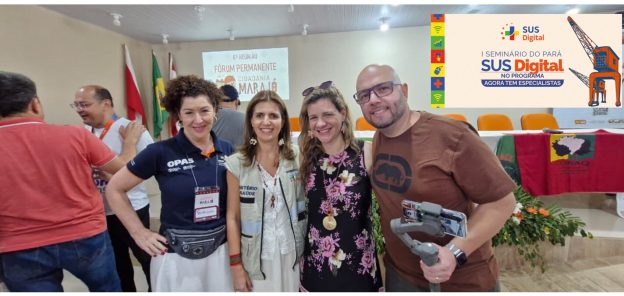
On September 22 and 24, BIREME/PAHO/WHO visited Ilha do Marajó in Pará, Brazil, with Verónica Abdala, Manager of Information Products and Services, in coordination with the Secretariat of Digital Health Information (SEIDIGI) of Brazil’s Ministry of Health. The objective was to learn firsthand about the experience of the Telehealth Centers of Pará in offering telediagnostics and teleconsultations, as well as to follow the events in which the digital transformation of Brazil’s Unified Health System (SUS) in the state was discussed.

Telehealth in Marajó: expanding access to traditional populations

On September 22 and 23, the Permanent Forum of Marajó Citizenship was held in Soure, in the Marajó archipelago. The mission of this organized civil society initiative is to promote social justice, reduce inequalities, and expand equity in the territory. The meeting brought together local actors and representatives from different public and community sectors with the aim of coordinating policies in the areas of health, education, culture, diversity, combating violence, and protecting children, adolescents, women, traditional peoples, and LGBTQIA+ individuals, thereby strengthening the state’s presence alongside the Marajoara communities.


UFPA UEPA

During the event, the Telehealth Center of Universidade Federal do Pará (UFPA) set up a temporary clinic to offer telediagnostic and teleconsultation services in cardiology and dermatology. In just two days, more than 30 people from the community benefited from the service, showing in practice the potential of telehealth to overcome barriers to access in a region marked by large geographical distances and infrastructure limitations.

This action is in addition to the progress made by the Telehealth in Marajó Program, which since February 2025 has been present in all 17 municipalities of the archipelago, thanks to the delivery of digital electrocardiogram equipment by PAC SUS (SUS is the Brazil’s Unified Health System). By August, more than 4,000 ECG reports had been produced, an important milestone considering that previously only the municipality of Ponta de Pedras had this resource available.

For Verónica, PSI Manager at BIREME/PAHO/WHO, participating in the mission was a transformative experience: “It was a unique opportunity to see the concrete impact that telehealth has on the lives of populations living in hard-to-reach regions. Often, it is not only distance that prevents care, but also the lack of doctors and basic equipment such as an electrocardiograph or X-ray machine. Experiencing this in Marajó was transformative“,

Seminar on digital health in Pará: challenges and innovations

On September 24, Verónica also participated in the Seminar on Digital Health in Pará, held in the auditorium of the Center for Health and Biological Sciences at the State University of Pará (UEPA). The meeting brought together municipal managers and representatives of the Secretariat of Information and Digital Health (SEIDIGI/MS), including Secretary Ana Estela Haddad, to discuss strategies for implementing and expanding the SUS Digital Program.

Among the main topics discussed were interoperability between systems through the National Health Data Network, the unification of SUS user records through the CPF (a personal ID number), and the consolidation of data governance that transforms records into qualified information for management. Pará was designated as a pilot state for the new RNDS information models, including the Laboratory Test Registry, RAC Teleconsultation, and RAC Teleinterconsultation.

SUS Digital Platform and systemic vision

The experiences gained at the two events fuel the development of the SUS Digital Platform, an initiative coordinated by BIREME/PAHO/WHO with SEIDIGI/MS. The platform will serve as a hub for information, projects, services, and applications of the SUS Digital Program, in addition to bringing citizens, managers, and health professionals closer together.

According to Verónica Abdala: “Participating in meetings like these is a golden opportunity to understand the scope of the SUS Digital Program and the connections between its various actions. This systemic vision will be essentially represented in the SUS Digital Platform that we are developing”.

Audiovisual production: stories from Marajó

The mission also resulted in the recording of a documentary. The footage captured consultations, testimonials from patients, health professionals, and municipal administrators, both at the UFPA campus in Soure and at basic health units and clinics in Belém.

The material will result in two documentaries about the arrival of telehealth in the quilombola and riverside communities of Marajó, which will be published on the SUS Digital Platform, reinforcing the visibility of the impact of these actions on people’s lives.

Source: https://boletin.bireme.org/en/2025/09/30/telehealth-and-digital-transformation-in-para-brazil/

, , ,

Information Products and Services and AI use

With a view to advancing the use of Artificial Intelligence in its health information products and services and, at the same time, reaffirming its institutional values, such as ethics, transparency, and accountability, BIREME/PAHO/WHO has established a set of guidelines to guide the development and adoption of AI-based solutions within the Center.

The document was prepared based on the internal guidance shared by the Pan American Health Organization (PAHO) in 2024, which establishes ethical principles and recommendations for the responsible use of technology, and which refers to similar publications published by the World Health Organization (WHO); and the United Nations (UN). As a result, the technical manager of the product to be developed must ensure compliance with the guidelines established by the WHO and PAHO regarding the use of language models (LLMs) for health, including the document Ethics and governance of artificial intelligence for health: Guidance on large multi-modal models.

At BIREME, the initiative continues the efforts to incorporate AI to improve developments, prioritize innovation routes, and drive advances in products and services. It is based on governance in aspects relevant to AI, such as data protection, human validation, version registration, and risk analysis, ensuring responsible authorship and transparency in the use of Artificial Intelligence.

The guidelines organized by BIREME define criteria for the use of AI to be transparent, secure, and aligned with PAHO/WHO values. Among the key points, the following stand out:

  • Data protection: the insertion of sensitive, internal, or identifiable data into external platforms without adequate contractual guarantees is prohibited.
  • Mandatory human validation: results from LLMs, such as ChatGPT, Gemini, Claude, and Copilot, should be treated as drafts and reviewed by experts before any institutional use.
  • Documentation and traceability: each solution must maintain a documented history, including model versions, revisions, and validations performed.
  • Transparency in institutional use: all AI-based products must explicitly state their limitations, reinforce the need for human validation, and clearly indicate when AI tools were used in content production, ensuring verification of the sources cited.
  • Authorship and responsibility: each solution must identify the person technically responsible for its creation and maintenance.
  • Risk assessment: before adopting any solution, conduct a feasibility and risk analysis that considers ethical, confidentiality, cost, and technological dependency aspects.

With this initiative, BIREME strengthens its commitment to ethics, transparency, and responsibility in the use of generative artificial intelligence in health. “These are guidelines that contribute to information management governance and consolidate an institutional basis for responsible innovation,” stated Marcos Mori, head of development at BIREME.

Source: https://boletin.bireme.org/en/2025/09/30/use-of-ai-in-bireme-products-and-services/

, , , ,

Developments with CGDI/MoH for health information management

On August 5, a follow-up meeting was held for Agreement 13/Cooperation Agreement 95 (TA13/TC95) between BIREME/PAHO/WHO and the General Coordination of Documentation and Information of Brazil’s Ministry of Health (CGDI/SAA/SE/MS) in coordination with PAHO Brazil.

The purpose of the meeting was to present the technical and strategic advances of the first half of 2025 in the context of three Expected Results (ER) and to revisit the work plan, reaffirming the joint commitment to modernization, innovation, and strengthening of health information and knowledge management in Brazil.

Innovation in Technical and Scientific Information Sources (ER 1)

The consolidation of DeCS Finder AI was highlighted, a tool based on artificial intelligence that automatically suggests descriptors from the DeCS thesaurus (DeCS represents the acronym in Portuguese for Health Sciences Descriptors) for cataloging scientific documents. Currently in advanced testing, the solution is already integrated with systems such as FI-Admin and Annif, with a focus on streamlining indexing, ensuring greater standardization and quality of records, and supporting cooperating centers with small teams.

The planning of the use of natural language models for search services and narrative syntheses in the VHL was also highlighted. The so-called Super Abstracts, which offer short descriptions of documents, are already in use in 100% of the Mosaico database and 50% of LILACS, expanding the possibilities for easy access to information.

Another relevant advance was the start of the SOPHIA system data collection process, allowing for integrated updating of the Ministry of Health VHL indexes. At the same time, the BiblioSUS Network contributed 1,392 documents in just six months, reinforcing the expansion of bibliographic control of the scientific output of Brazil’s Unified Health System (SUS).

Strengthening the Brazilian VHL Network (ER 2)

Within Brazil VHL Network, training activities advanced with 10 virtual meetings held, bringing together an average of 170 connections per session, with participation from 36 countries. Topics included document indexing according to the LILACS methodology, good editorial practices in scientific journals, and innovation in information products and services.

The Network’s documentary contribution was also significant: 715 new records were added to LILACS between January and July 2025, in addition to maintaining a total database of 1.191 million documents, of which 700,000 came from Brazil, with the active participation of 390 cooperating centers. The ColecionaSUS database totals 39,819 records from 124 cooperating centers.

Among the modernization actions, the launch of the new Ministry of Health VHL portal and the progress in updating the BiblioSUS Network and VHL Stations platforms stood out, in addition to the integration of Health Economics – ECOS VHL with a new collaborative interface. The registration update of cooperating libraries and centers reached 310 active institutions in 2025.

The National Meeting of the Brazil VHL Network is scheduled to take place in November 2025 with the XXIII National Seminar on University Libraries (SNBU 2025) in São Paulo, Brazil, which will also acknowledge LILACS 40th anniversary.

COVID-19 Pandemic Memorial Portal (ER 3)

The COVID-19 Pandemic Memorial Portal project has progressed steadily. Carried out in technical cooperation between BIREME, the Ministry of Health and experts, the portal aims to preserve and disseminate collections of documents, interviews and testimonials about the pandemic, transforming them into a space for memory, reflection, and collective learning.

Among the main results achieved are the definition of the scope, target audience, and governance model of the portal; the holding of strategic meetings and technical visits, including to the Public Archives of the State of São Paulo (APESP); and the initial mapping of the collections that will comprise the archive. In this process, guidelines for the curation and digital preservation of content were developed.

In the technological field, the installation and configuration of the Archivematica and Tainacan platforms stand out, which will be responsible for the preservation and publication of the portal’s content. The development of the website also advanced with the application of user-centered dynamics (UX Design), which resulted in an initial menu proposal, a low-fidelity conceptual prototype, and usability guidelines that will guide the thematic organization, navigation, and user experience.

Communication activities began to take shape with the dissemination of multilingual content, the integration of teams through collaborative channels and the publication of articles in BIREME’s Bulletin and other PAHO/WHO communication channels. These initiatives have increased the visibility of the project and strengthened the exchange of information and monitoring of progress by partner institutions.

Perspectives

At the end of the meeting, the teams acknowledged that progress was only possible thanks to ongoing dialogue and integrated work between BIREME, CGDI/Ministry of Health and experts. The expectation is that the second half of 2025 will be marked by new milestones in cooperation, consolidating both the modernization of information sources and the creation of innovative spaces for collective memory and network strengthening.

Source: https://boletin.bireme.org/en/2025/08/29/developments-with-cgdi-moh-for-health-information-management/

,

Advances in the creation of the Indigenous Peoples VHL

In the month that celebrates the Indigenous Peoples’ International Day, BIREME/PAHO/WHO, in cooperation with the Especial Secretariat of Indigenous Health (SESAI/MS), continues the actions of the 93rd Technical Cooperation Agreement (TC93). The agreement seeks to promote the strengthening of information and knowledge management on indigenous health, with an emphasis on increasing transparency and disseminating scientific and technical content aimed at the native peoples of Brazil. This cooperation has established itself as a strategic milestone, supporting public policies, care practices, and research initiatives that directly impact the health of indigenous communities in Brazil.

Among the main expected results is the creation of the Virtual Health Library for Indigenous Peoples, a thematic instance of the VHL Model, currently under development, whose purpose is to gather, organize, and disseminate qualified information on indigenous health, including scientific and technical documents, reports, institutional publications, and reference materials related to the Indigenous Health Care Subsystem (SasiSUS). There are also plans to make Knowledge Showcases available for the easy dissemination of information on priority topics, and a SasiSUS Timeline, which will present milestones and historical moments of the Subsystem, contributing to the preservation of institutional memory and access to knowledge.

Among the advances already achieved, the indexing of strategic content selected and organized according to criteria of bibliographic governance and information management stands out. “This process included the analysis and systematization of reports, technical publications, and other documents produced in the field of indigenous health, ensuring their future availability in a standardized and easily accessible format,” highlights librarian Angélica de Paula, focal point of the project at BIREME. In addition, the initiative was designed to meet the needs of health teams working in the 34 Special Indigenous Health Districts (DSEI), who face the daily challenge of having up-to-date and reliable information to support their health care and management actions with indigenous communities.

The project also includes the organization of thematic collections, the construction of digital decision support resources, and the integration of different types of information sources, in order to consolidate the Indigenous Peoples VHL as a structured and reliable repository. In addition to systematizing the collection, collaborative processes are expected to be adopted to ensure the continuous updating of the portal and encourage the use of information by its different audiences. The official launch is scheduled for October 2025, when the VHL Portal and its collection of information sources, such as showcases, timelines, and the Memória SasiSUS database, will be publicly presented as reference spaces for the dissemination and use of information on indigenous health.

SESAI, through the General Coordination of Knowledge, Information, Evaluation, and Monitoring of Indigenous Health (CGCOIM), emphasized the importance of the partnership with BIREME, highlighting that this initiative strengthens access to qualified information on indigenous health. “For SESAI/CGCOIM, the creation of the Virtual Health Library of Indigenous Peoples is a historic milestone in the appreciation of traditional knowledge and the promotion of more effective and culturally sensitive public policies. Having its own Virtual Library represents for SESAI not only a space for memory and institutional record keeping, but also a platform that allows society to access the history and diversity of indigenous peoples. This collective action is considered strategic for increasing the visibility of health practices in indigenous territories and for consolidating the institutional memory of SESAI,” said Maial Paiakan Kaiapó, Coordinator of CGCOIM.

With this cooperation, SESAI and BIREME/PAHO/WHO reaffirm their commitment to contributing to health equity and expanding access to quality information, recognizing and valuing the cultural diversity and specificities of indigenous peoples in Brazil. The Indigenous Peoples VHL represents an important step toward giving greater visibility to the actions and strategies of SasiSUS, strengthening information as a fundamental input for decision-making, knowledge production, and guaranteeing the right to health for these populations.

Source: https://boletin.bireme.org/en/2025/08/29/advances-in-the-creation-of-the-indigenous-peoples-vhl/

, , ,

WHO publication highlights the use of AI in Traditional Medicine

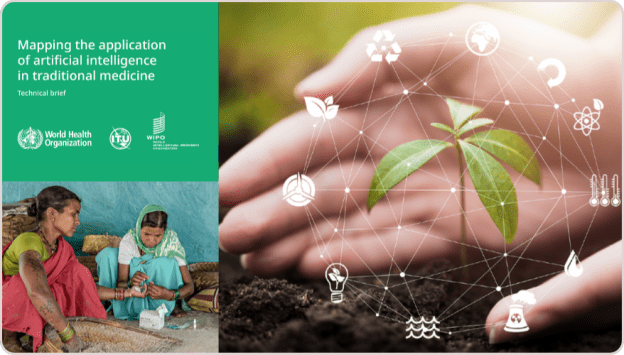
A recent publication by the World Health Organization (WHO), in partnership with the International Telecommunication Union (ITU) and the World Intellectual Property Organization (WIPO), highlights the emerging use of artificial intelligence (AI) in traditional health practices around the world. Entitled “Mapping the application of artificial intelligence in traditional medicine: technical brief” (July 11, 2025), the document recognizes the contribution of BIREME/PAHO/WHO by mentioning the Virtual Health Library on Traditional, Complementary, and Integrative Medicines in the Americas (TCIM Americas VHL) as a reference for the application of AI aimed at the management and dissemination of technical and scientific knowledge in the area.

Developed and coordinated by BIREME with support from the Brazilian Ministry of Health and the TCIM Americas Network, TCIM Americas VHL is a regional platform that brings together scientific, educational, and technical content on traditional and integrative health practices, such as Ayurveda, herbal medicine, traditional Chinese medicine, indigenous practices, among others. According to the new WHO document, the use of AI in the library has been used to speed up the bibliographic description process and facilitate the identification of relevant terms, contributing to the improvement of information organization and retrieval.

Regional model for innovation in digital libraries

BIREME has updated its institutional mission based on technological innovation and digital transformation, as defined in its 2023-2025 Strategy. The virtual libraries developed through the Center’s technical cooperation have used AI-based tools and methodologies such as DeCS and LILACS flows to expand the reach and usability of traditional health knowledge, which has been a hallmark of BIREME throughout its history.

The mention of BIREME in the WHO technical publication comes amid a series of institutional initiatives that have been promoting the responsible and ethical use of artificial intelligence in the context of public health and traditional medicines, such as the series of explanatory webinars on the topic, held under the Program for Strengthening Health Information Networks in Latin America and the Caribbean. In 2025, BIREME actively participated in the Regional Consultation for Prioritizing Research in TCIM promoted by PAHO and in the construction of the WHO Traditional Medicine Global Library, also cited as a reference in the document.

AI as an ally for equity in access to information

The WHO technical publication draws attention to the potential of AI in advancing traditional health practices — especially in preserving ancestral knowledge, expanding access to information, supporting clinical decision-making, and designing evidence-based public policies. At the same time, it warns of challenges such as complying with data sovereignty, protection against biopiracy, and strengthening digital infrastructure in low- and middle-income countries.

BIREME’s experience with the TCIM Americas VHL shows that it is possible to integrate technological innovation and the valuing of traditional knowledge in an ethical, sustainable, and collaborative manner, in line with the guidelines of the WHO Strategy for TCIM and the principles of digital transformation of health systems.

Other BIREME initiatives with AI for traditional medicine

Besides the TCIM Americas VHL, other initiatives coordinated by BIREME have also been applying artificial intelligence to the management and dissemination of knowledge about traditional medicines. Among them, the Center’s work in developing and curating the WHO Traditional Medicine Global Library (TMGL) stands out.

In the first half of 2025, TMGL implemented TMGL GPT Modeler, an AI-based conversational assistant that is already incorporated into the platform’s homepage. This deliverable directly responds to TMGL’s fundamental purpose: to offer an innovative digital environment that preserves, values, and articulates traditional, complementary, indigenous, and ancestral knowledge into global public health.

According to Mirelys Puerta Díaz, BIREME librarian and TMGL manager, the implementation of the GPT assistant reflects the product’s commitment to education, accessibility, and multi-epistemic dialogue, allowing users to explore complex content with natural language support in an intuitive way, without interrupting their navigation on the platform.

The initiative, conceptualized and coordinated by BIREME Director João Paulo Souza, was integrated last May with a focus on usability, digital inclusion, and alignment with the WHO Global Traditional Medicine Strategy 2025-2034 and the Gujarat Declaration. The resource contributes to transforming TMGL into a digital meeting point between knowledge systems, supporting policymakers, researchers, health professionals and communities.

At the same time, during the last semester, the automated generation of thematic Super Abstracts of bibliographic records was consolidated under the technical leadership of Francisco Barbosa Junior, BIREME’s Artificial Intelligence specialist. Currently, 677 records with Super Abstracts from the LILACS and TCIM databases are available, accessible via TMGL’s “integrated search interface” (IAHx) application. This functionality accelerates and improves the search and understanding of complex content in traditional health, contributing to a more intelligent TMGL that is accessible and meets the user’s needs.

Source: https://boletin.bireme.org/en/2025/08/29/who-publication-highlights-the-use-of-ai-in-traditional-medicine/

,

Projects cooperate to SUS’ digital transformation

The first half of 2025 marked a period of progress for three strategic initiatives developed under the TC157 technical cooperation agreement, led by BIREME/PAHO/WHO in partnership with the Secretariat of Information and Digital Health (SEIDIGI/MS): Brazil’s Unified Health System – SUS Digital Platform; Decision Aids; and Second Formative Opinion. These actions combine technological innovation, participatory methodologies, and service integration that contribute to SUS’ digital transformation.

SUS Digital Platform

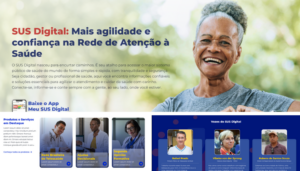
The development of the SUS Digital Platform has advanced in terms of its design and structure, represented in a prototype, which was submitted to a usability survey with participants at the 38th Congress of the National Council of Municipal Health Secretariats (CONASEMS), held in Belo Horizonte, MG, Brazil, with a view to aligning user expectations and needs.

Moreover, a workshop was held on July 23rd to design the flows and processes for building and updating the Platform’s sections. This workshop also reviewed the architecture, design, and language of the texts presenting the Platform’s products and sections based on the prototype.

With the collaboration of the SEIDIGI teams, an inventory of products, services, documents, and materials related to SUS Digital was initiated, which allowed for the definition of the taxonomy and configuration of the content management system for the Repository, which includes the description and indexing of different types of content (multimedia, publications, tools, apps, websites, educational resources, news, experience reports, etc.). The registration of 264 initiatives presented at the first Seminar on Digital Transformation at SUS, which took place in November 2024, was also initiated.

For the sections of the platform dedicated to highlighting experiences, reports, and perspectives of different actors in the health system – “SUS Transformation Stories” and “SUS Voices” – proof of concept and validation of templates is underway based on two pilot themes: Telehealth in the Maré Complex and Telehealth in indigenous and quilombola territories.

These initiatives reinforce the role of the SUS Digital Platform as a living space for valuing and sharing transformative digital practices in the Brazilian healthcare system, as well as being a major hub for actions, initiatives, networks, projects, products, and services related to the SUS Digital Program.

“There is a large collection of data, documents, and experiences available to be transformed into indexed content and made available on the SUS Digital Platform, contributing not only to communication and dissemination, but also to the recording and preservation of history, as well as to expanding access to and use of telehealth services by the most vulnerable populations in Brazil,” stated Verônica Abdala, Information Products and Services Manager, who leads the project at BIREME.

Figures from the online plataform prototype.

Decision Aids Tools

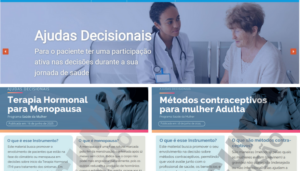
Those are tools that assist in health decision-making, enabling health users and care providers to make informed and shared decisions. The project for the development of Decision Aids (DA) within SUS has made significant progress, such as its institutional structuring, methodological definition, and the collaborative building of the first DA prototypes.

The Steering Committee and the Scientific and Technical Committee were formed, national and international exchanges were held, and the mapping of existing DAs was completed. The first version of the Standard Operating Procedure (SOP) was also drafted, and frameworks were developed to guide the creation of prototypes.

Four DAs prototypes were developed collaboratively, involving the definition of thematic areas, the formation of teams of specialists, the conduct of searches for systematic review, and the conduct of interviews and focus groups with users of the health system and services.

The themes include contraceptive methods for adult women; contraceptive methods for adolescents; hormone replacement therapy during menopause; and childbirth methods. The prototypes, consolidated in PDF format, are in the final stages of review for the application of the “alpha test” – a stage that will assess the clarity, comprehensibility, and feasibility of using the DAs, both from the perspective of patients and health professionals.

In July, the second co-creation workshop was held in Brasilia to consolidate the DAs, bringing together experts, managers, and representatives of social movements. The meeting validated the methodology, structure, and scientific basis of the DAs, in addition to defining the planning for the alpha test. At the same time, progress was made in the creation of the DA Portal, which will be integrated into the SUS Digital Platform, expanding the reach, usability, and visibility of the product.

Figures from preliminary versions of the portal and decision aid tools.

Second Formative Opinion

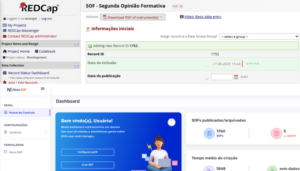
The Second Formative Opinion (SOF) project has made significant progress, consolidating strategic and institutional steps to update the service. A Steering Committee was formed, requirements were surveyed, and the first version of the SOF management system was developed on a provisional platform (REDCap). The SOF template and workflow were reviewed and updated, and a concept test involving six telehealth centers and thirteen professionals was conducted.

A co-creation workshop was also held for the new SOF, focused on defining operational processes and migrating the database with more than 1,700 SOFs to the REDCap system, with the submission, review, and publication features already implemented. Version 2 of the management system (SOFNet) and the new SOF portal integrated with the SUS Digital Platform are under development, in addition to the creation of a prototype interface for integration with instant messaging applications.

The next steps include defining the SOF production flow with different entry routes and expanding the network of collaborators for the creation, review, and updating of SOFs, as well as making version 2.0 of the system available, with full functionality.

Figures from the provisional system and the prototype of the new version (SOFNet).

Source: https://boletin.bireme.org/en/2025/08/29/projects-cooperate-to-sus-digital-transformation/